Order a cappuccino at eleven in the morning in Naples in August and you may get a look. Order one in a Turin bar in November and nobody blinks. Italian coffee culture is usually described as a set of rules, but a good many of those rules are really about weather — what the body wants when the air is cold, and what it quietly refuses when the air is hot and heavy.
That idea is worth taking seriously if you brew at home. The roast you bought in January can taste dull and flat by June, not because it went stale overnight but because you are asking it to do a different job. Below is a working calendar of Italian-style drinks and roast profiles, season by season, with the small adjustments that make each one taste the way it should.
Spring: Medium Roasts and Short, Bright Cups
Spring in Italy is a moving target. A morning in Bologna in March can feel like February; by four in the afternoon the same day is asking for something cold. Coffee has to be flexible, which is why medium roasts earn their place from March through May. As a broad tendency, roasteries in the north have long favoured lighter, more aromatic profiles than their counterparts in Naples or Palermo. You taste almond, citrus peel, sometimes a floral edge — and the coffee still holds its own under a little milk.
Keep the extraction short in spring. On a home espresso setup with a medium roast, a ratio near 1:2 in 25 to 30 seconds — 18 grams in, 36 grams out — gives you a cup sweet enough to drink straight. Traditional bars work with 7-gram doses and roughly 25 millilitres, and that works too. What you want to avoid is stretching the shot into a lungo: the delicate aromatics that make a spring roast interesting are the first thing to wash out.
On the drinks side, this is macchiato weather: an espresso with a spot of milk, not a bath. Mid-morning, a marocchino in the Bergamo or Turin style — espresso, a dusting of cocoa, a spoon of milk foam — feels exactly right. Save the first caffè shakerato for the first genuinely warm afternoon, usually late May.
Summer: When Ice Rewrites the Recipe
Heat changes the physics of a cup. Ice melts, dilution happens, and a delicate medium roast that was lovely in April turns thin and sharp in a glass. Summer belongs to darker, fuller blends in the southern Italian style, often with some robusta in the mix for body and that thick, persistent crema. Robusta's rougher, nuttier edge is not a flaw in a cold drink; it is the part that survives the ice.
The repertoire is generous: caffè shakerato (espresso, ice and sugar shaken until foamy), caffè leccese from Lecce (espresso poured over ice with almond syrup), affogato (a scoop of fior di latte gelato drowned in hot espresso), granita di caffè con panna in Sicily, and caffè freddo, the sweetened chilled espresso concentrate many bars keep ready in the fridge.
A shakerato that isn't watery
- Pull a ristretto — around 20 to 25 millilitres — from a darker roast and let it cool for a minute off the group.
- Stir in a bar spoon of sugar while the coffee is still hot, so it dissolves completely.
- Fill a cocktail shaker two-thirds with ice and pour the sweetened coffee over it.
- Shake hard for 10 to 15 seconds. You want the ice to crack and the coffee to build a pale foam.
- Strain into a chilled glass, without the ice, and drink it within a few minutes.
One sensible note: every one of these drinks carries roughly an espresso's worth of caffeine, and it is easy to drink four of them on a hot afternoon without noticing. If you are pregnant, or managing a heart condition or reflux, it is worth asking a doctor what your limit should be.
Autumn: Milk Comes Back
The first cool morning of September is the signal. Cappuccino returns to the bar counter, along with caffellatte at breakfast and a marocchino at the desk. Autumn rewards medium-dark roasts — cocoa, hazelnut, dried fig, a little bitterness at the back of the throat that stands up to steamed milk instead of hiding from it.
It is also the season when fresh crop starts arriving in European warehouses, since coffee harvests in the southern hemisphere generally run from around May into September. Ask your roaster what has just landed; autumn is the best moment of the year to buy something new and taste the difference.
When you drink coffee with milk, aim for a roast you can still taste through it. If a cappuccino reads as nothing but warm milk, either the coffee is too light or the proportions are off. A 30-millilitre espresso with roughly 30 to 40 millilitres of steamed milk in a 150-millilitre cup is a fair starting point. A macchiato needs a teaspoon, not a ladle.
Winter: Dark Roasts, Moka Pots and a Little Something Extra
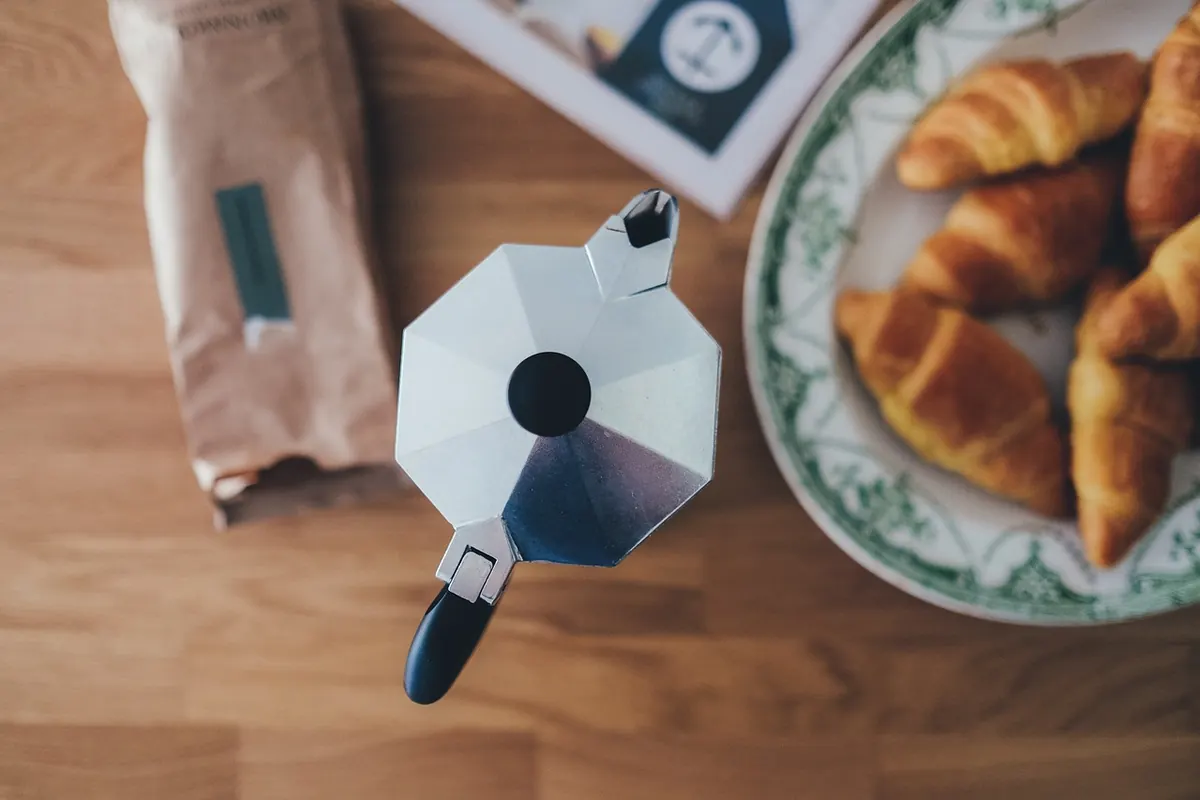
Winter belongs to the south. Neapolitan and Sicilian blends — dark, slow-roasted, built for a thick crema and a long finish — feel right when the light goes early. The moka pot comes off the shelf, the bicerin appears in Turin bars (coffee, drinking chocolate and cream, layered and served hot), and caffè con panna or a caffè corretto with a drop of grappa becomes an evening habit rather than a curiosity.
Getting the moka right when it's cold
Fill the base with water to just below the safety valve. Use a medium-fine grind, level it in the basket without pressing it down, and screw the top on firmly. Set the pot on a low flame with the lid open so you can watch. When the flow turns pale and starts sputtering, take it off the heat immediately — that last watery surge is what makes moka coffee taste burnt and bitter.
Matching Roast to Weather at a Glance
- Cool mornings, warm afternoons: medium roast, short extraction, espresso or macchiato.
- Hot and humid: dark or robusta-leaning blend, ristretto base, served long and cold over ice.
- Damp and grey: medium-dark roast with cocoa notes, milk drinks, slightly finer grind than in summer.
- Cold and dark by four: dark southern roast, moka or espresso, con panna or corretto.
Building a Seasonal Shelf
Buy smaller bags than you think you need — 250 grams is plenty for most households — and check the roast date rather than the best-before date. Coffee is at its most expressive in the first few weeks after roasting, so a bag bought in March and forgotten until July will disappoint you no matter how good the roast was.
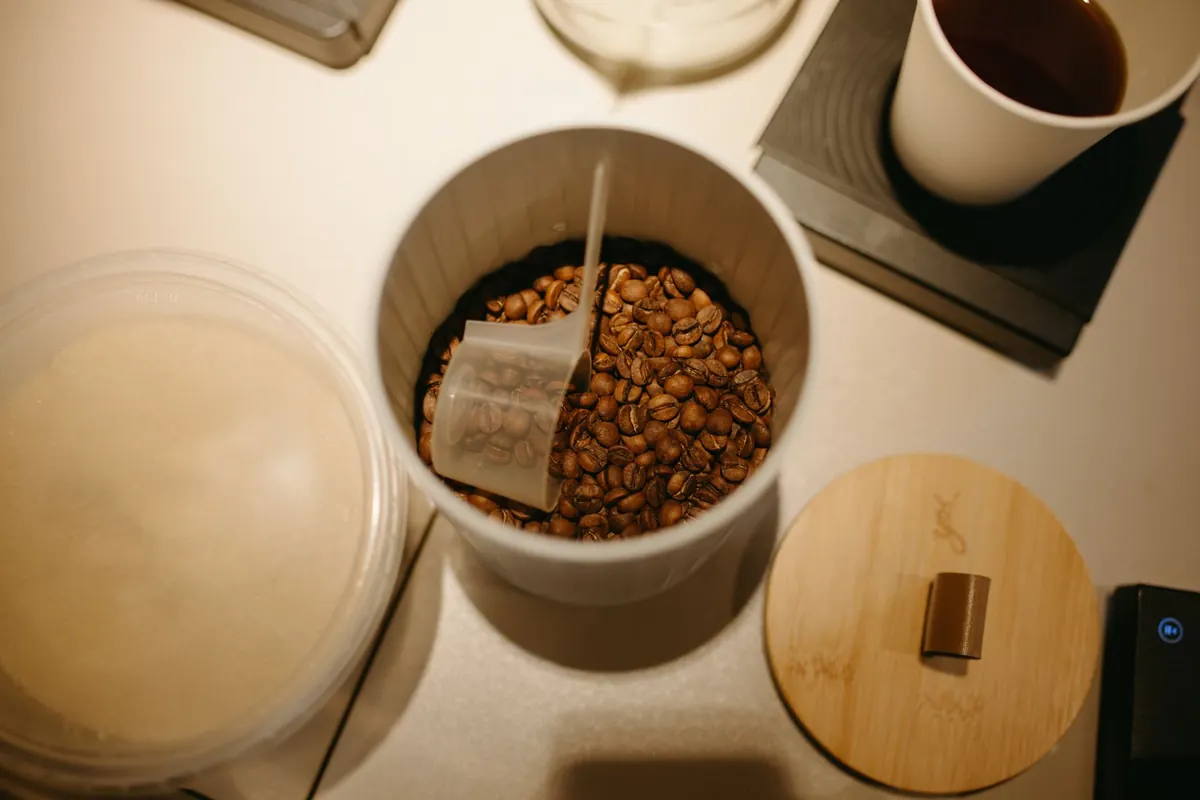
Store beans in an airtight container at room temperature, away from the light, and never in the fridge. Grind just before brewing. Expect to adjust the grinder as the seasons turn: humid summer air makes grounds clump and slows the flow, so go slightly coarser; the dry air of a heated flat in January often needs a finer setting. Keep a notebook or a note on your phone with the dose, time and result for the shots you liked, and you will stop guessing by the second year.
Finally, keep one decaffeinated option and a bag of caffè d'orzo in the cupboard. Italian bars have always offered them without ceremony, and a warm barley coffee at nine in the evening in December is one of the small, genuinely good things about the season.
Photo: hudsoncrafted / Pixabay